
Tokyo, reassembled
Inside the newly revamped Edo–Tokyo Museum

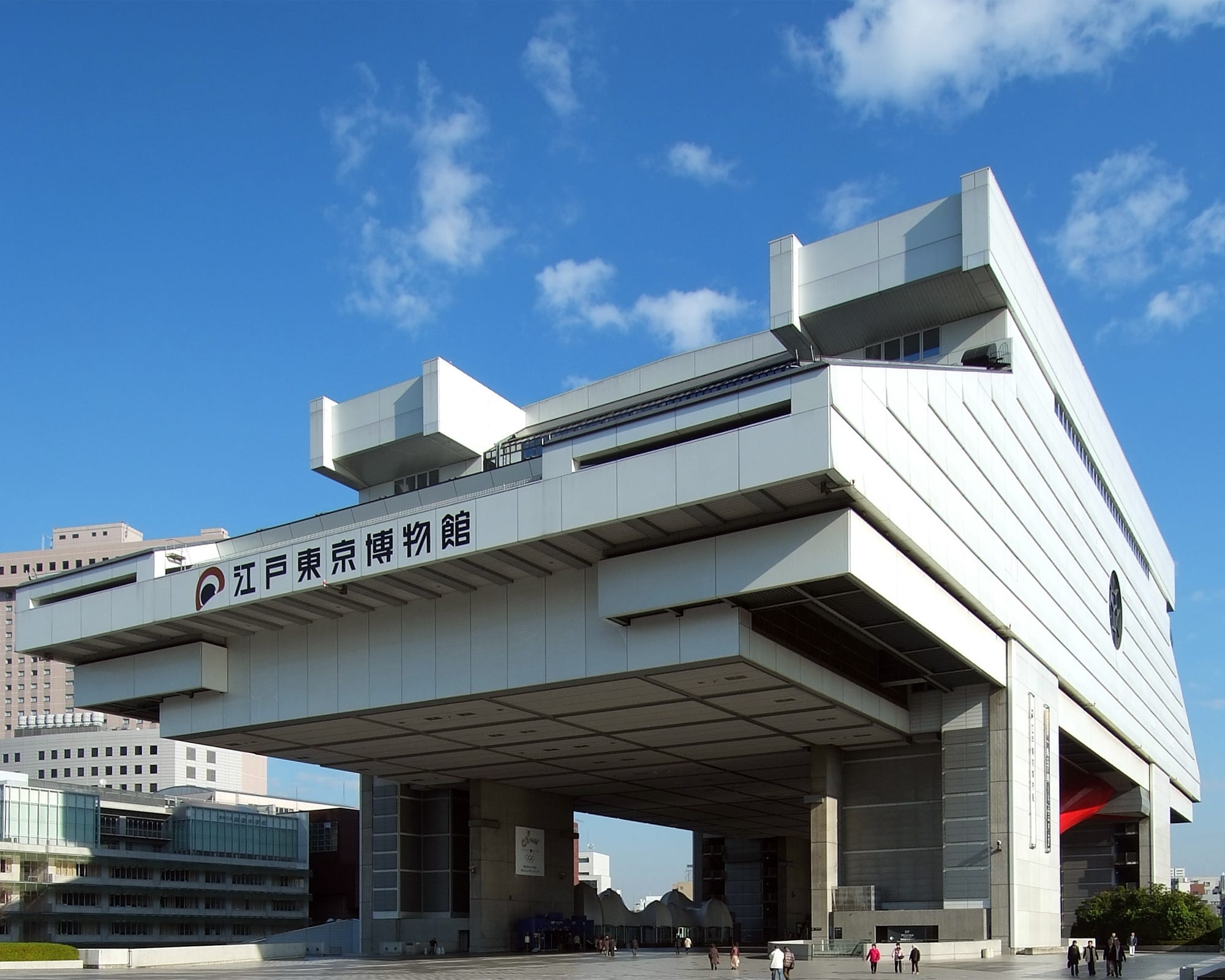
Dear readers, at the end of March I was invited to join a press tour showcasing the newly revamped Edo–Tokyo Museum. First opened in 1993, just a year after I moved to Japan, the museum is dedicated to the history of Tokyo and to preserving the city’s cultural heritage.
I had already been there twice, but in 2022 the museum was closed as part of its first major renovation, so I was eager to visit again. I really liked what I saw, but the press tour was too short to truly enjoy it, so I returned a few days ago with my wife.
The sprawling 9,000sqm institution boasts a collection of more than 350,000 historical objects. The renewal has refreshed many of the museum’s best-known spaces while also introducing several completely new permanent displays.
Temporary exhibitions occupy the first floor and rotate throughout the year. During my visit, however, the featured exhibition didn’t seem to justify the ¥1,600 admission fee - twice the cost of the permanent collection - so we headed straight up to the sixth floor instead.
The sixth floor opens with a full-scale reconstruction of the original Nihonbashi (Japan Bridge), the wooden bridge spanning the space between the Edo Zone on the left and the Tokyo Zone on the right below.
Anyone who visited before the renovation will immediately notice the enormous digital screens lining the walls. These changing panoramas of Tokyo’s sky dramatically enhance the sense of space, making the museum feel even larger as you walk across the bridge and step through the white noren curtains into the galleries beyond.
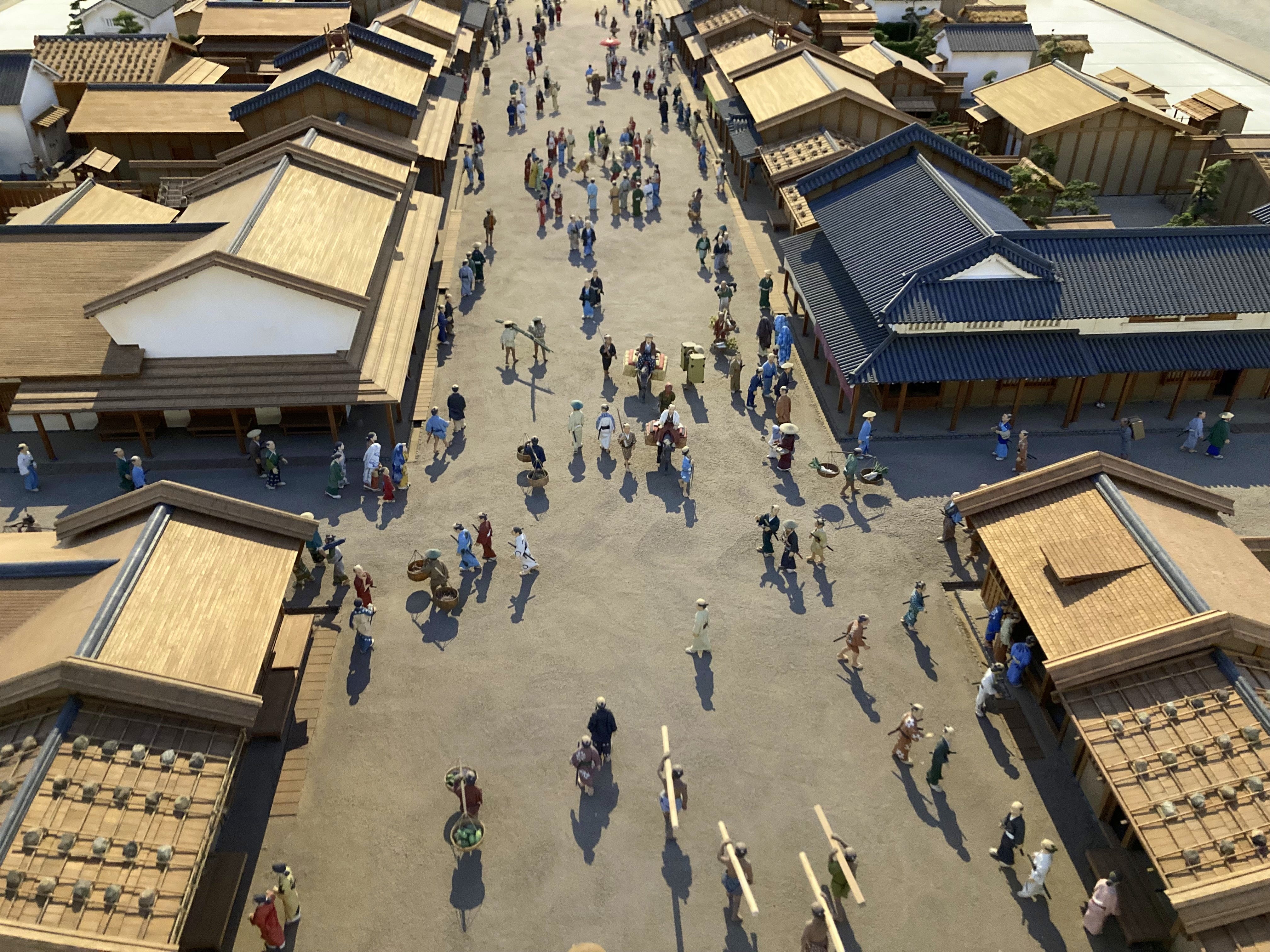
This section focuses on everyday life during the Edo period (1603–1868) through historical artefacts, paintings and impressive large-scale dioramas. Exhibits trace the city’s development from Tokugawa Ieyasu’s relocation to the Kanto region in the late 16th century through the growth of Edo into one of the world’s great urban centers.
Although this gallery occupies a relatively modest area compared with the rest of the museum, history enthusiasts and anyone who enjoys lingering over detailed displays could easily spend far longer here than expected.
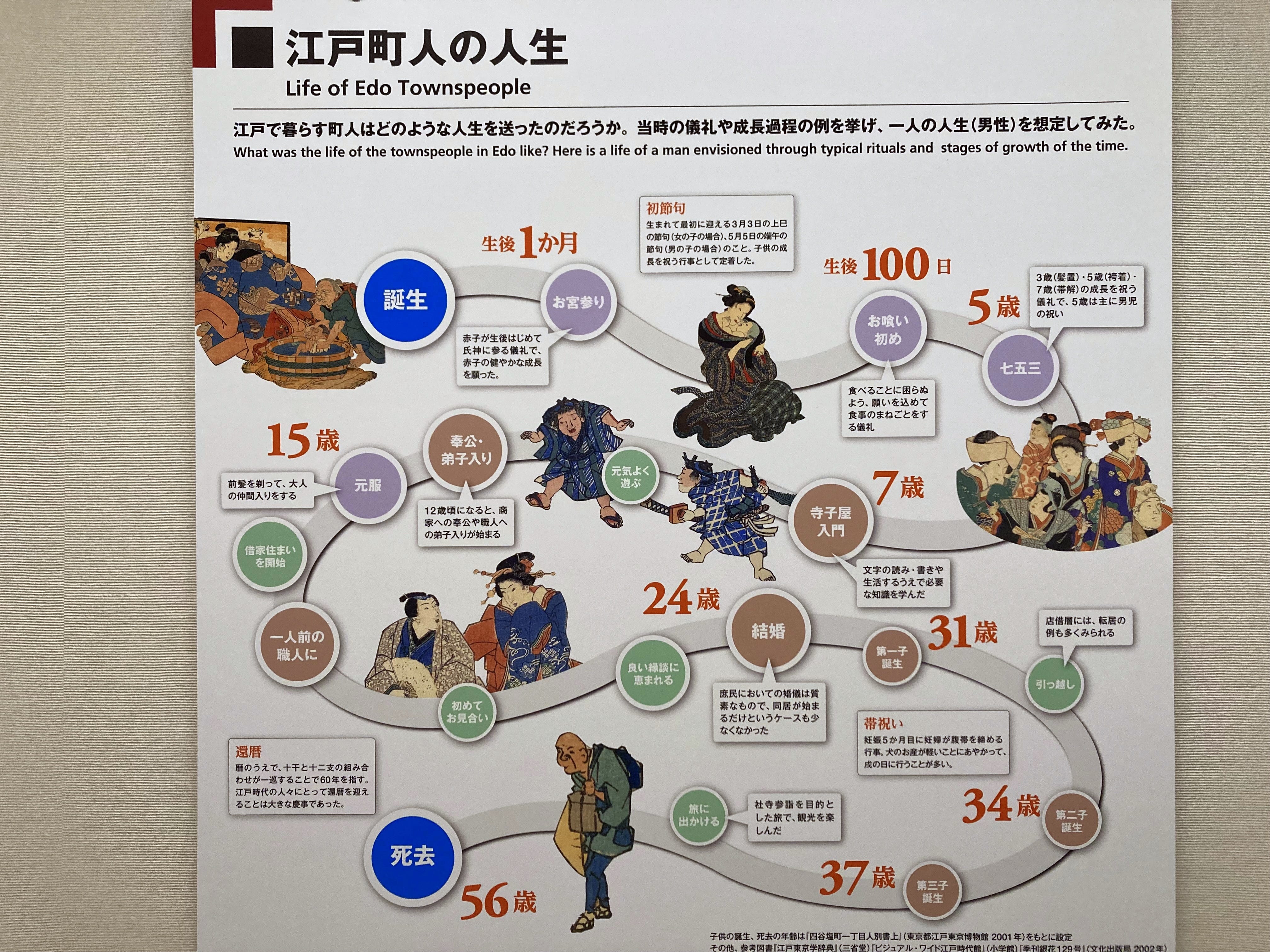
Descending to the fifth floor, your visit begins in the Edo Zone. This expansive gallery now contains even more life-sized recreations than before the closure, illustrating virtually every aspect of daily life in Edo. Occupations, clothing, cuisine and domestic life are all represented, while several interactive exhibits make the space especially engaging for younger visitors.
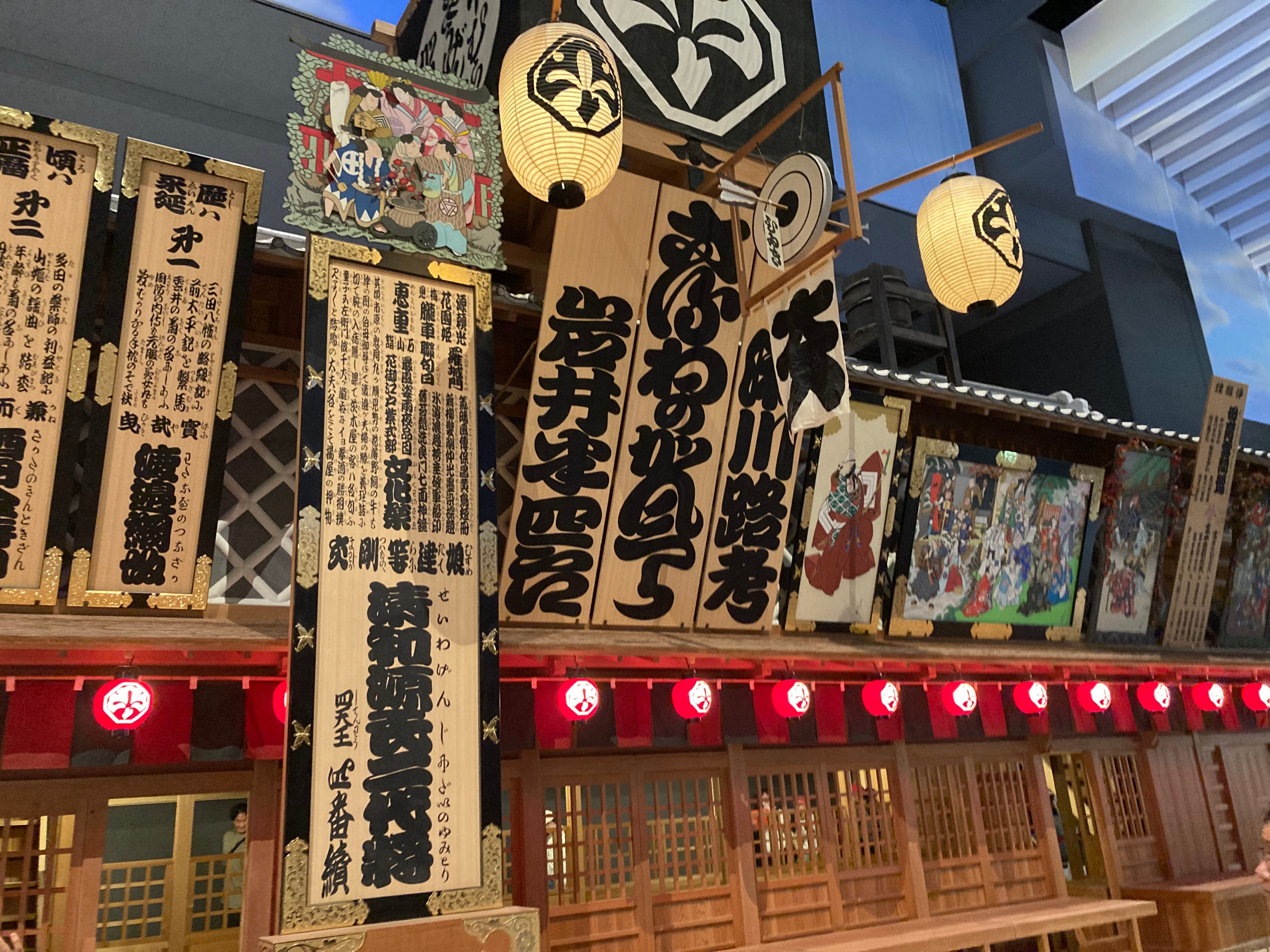
The standout attraction here is the magnificent full-scale reconstruction of the Nakamura-za kabuki theatre. Established in 1624, it was one of Edo’s leading theatres. Previously visitors could only admire it from outside, but the renovation now allows you to step inside and explore via a newly built walkway. Along the route you’ll see traditional musical instruments used in performances while gaining a much closer appreciation of the theatre’s interior design and construction.
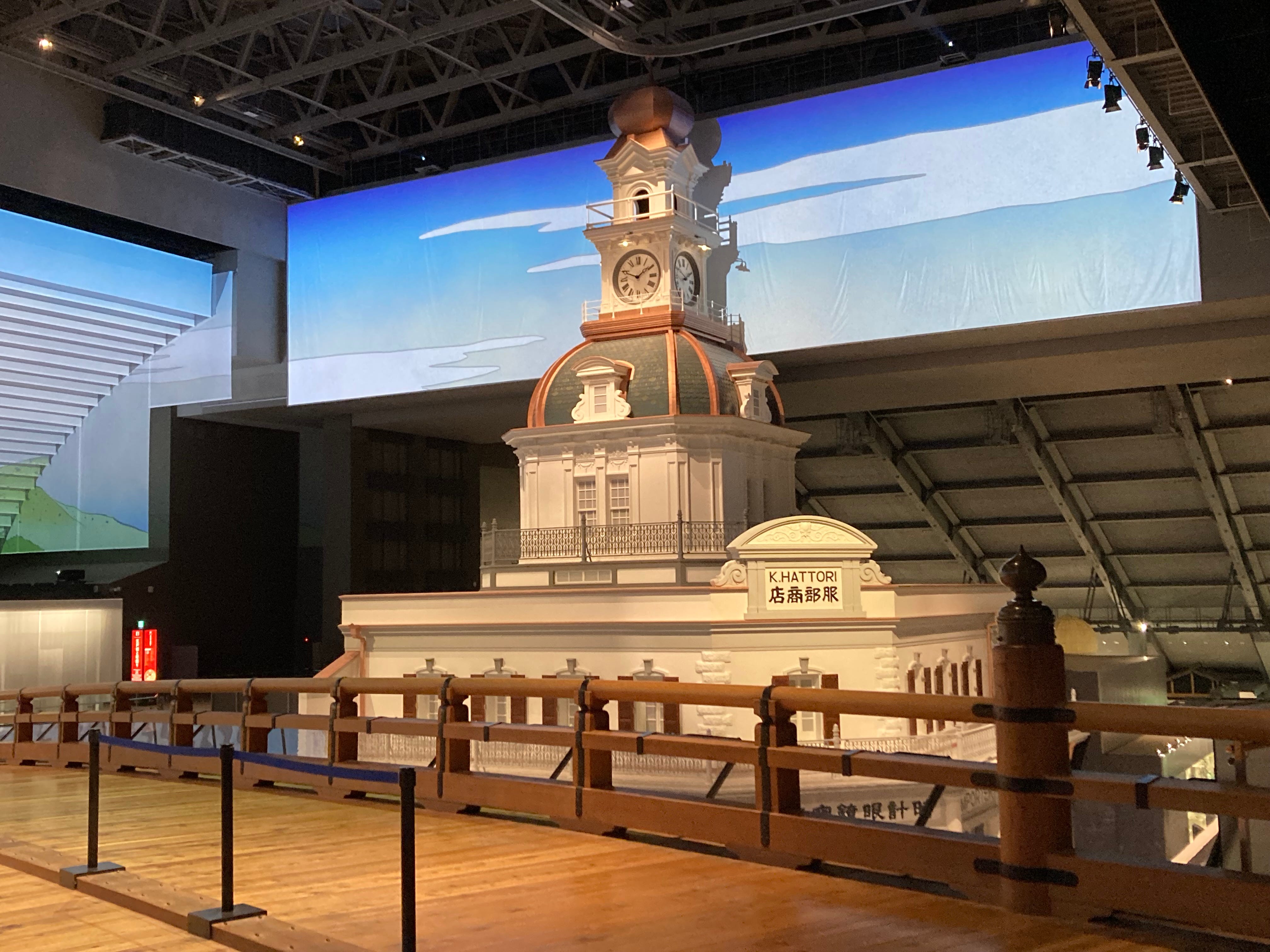
Passing beneath Nihonbashi, you’ll arrive in the Tokyo Zone, where another spectacular centerpiece awaits. A towering 26m reproduction of the K. Hattori & Co. watch shop now stands where the replica of the Choya Shinbun newspaper office once stood.
The change reflects an actual episode in Tokyo’s history. In 1894, founder Hattori Kintaro acquired the former newspaper building and transformed it into a store specializing in imported watches and clock repairs. Today, the site is home to the Seiko Museum.
Like the Nakamura-za, this reconstructed building is now open to visitors. Rather than recreating the original retail interior, it houses exhibitions examining the mid-19th century, when Japan emerged from more than two centuries of relative isolation and began opening itself to the outside world.
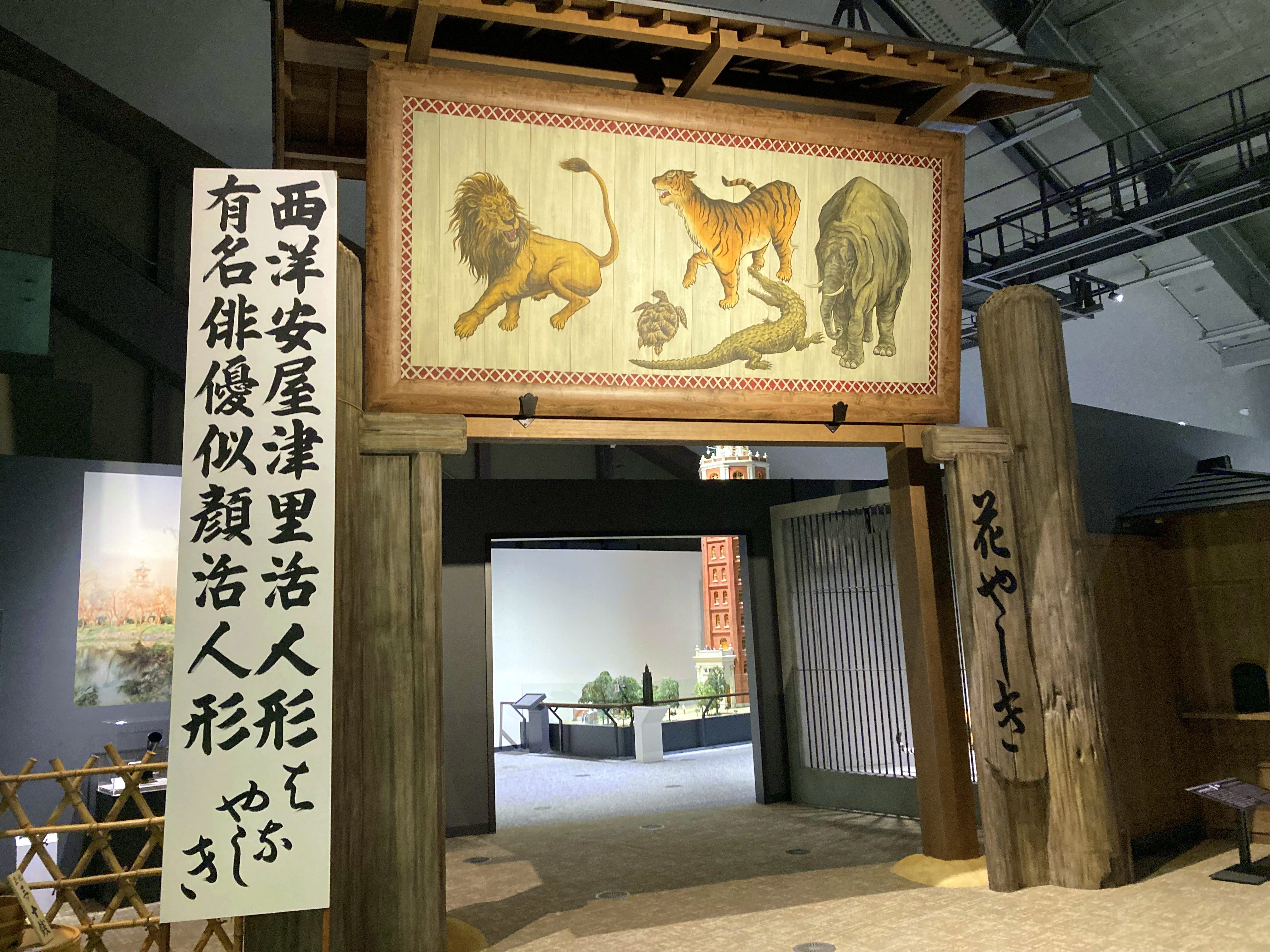
The next addition is another entirely new permanent display: a reconstruction of the entrance gate to Asakusa Hanayashiki, Japan’s oldest amusement park. Originally established as a botanical garden in 1853, it later became a zoo before evolving into the amusement park that continues to operate today. The recreated gateway depicts its appearance during the late nineteenth century.
Beyond the entrance, the galleries continue with more artwork, household objects and meticulously crafted dioramas. By this stage there’s an enormous amount to absorb, but the displays remain consistently engaging and richly informative.
The Tokyo Zone also introduces new exhibits devoted to the Great Kanto Earthquake of 1923, including a detailed scale model of the Ryounkaku, Asakusa's famous 12-storey tower. Completed in 1890, it was Japan's first modern skyscraper and one of Tokyo's best-known landmarks before being severely damaged in the earthquake and demolished soon afterwards.


Another major addition is a reconstruction of an apartment inside the Dojunkai Daikan'yama complex, one of the residential developments built after the disaster. Its reinforced concrete construction illustrates the shift towards materials that offered far greater strength and fire resistance than traditional timber or brick.
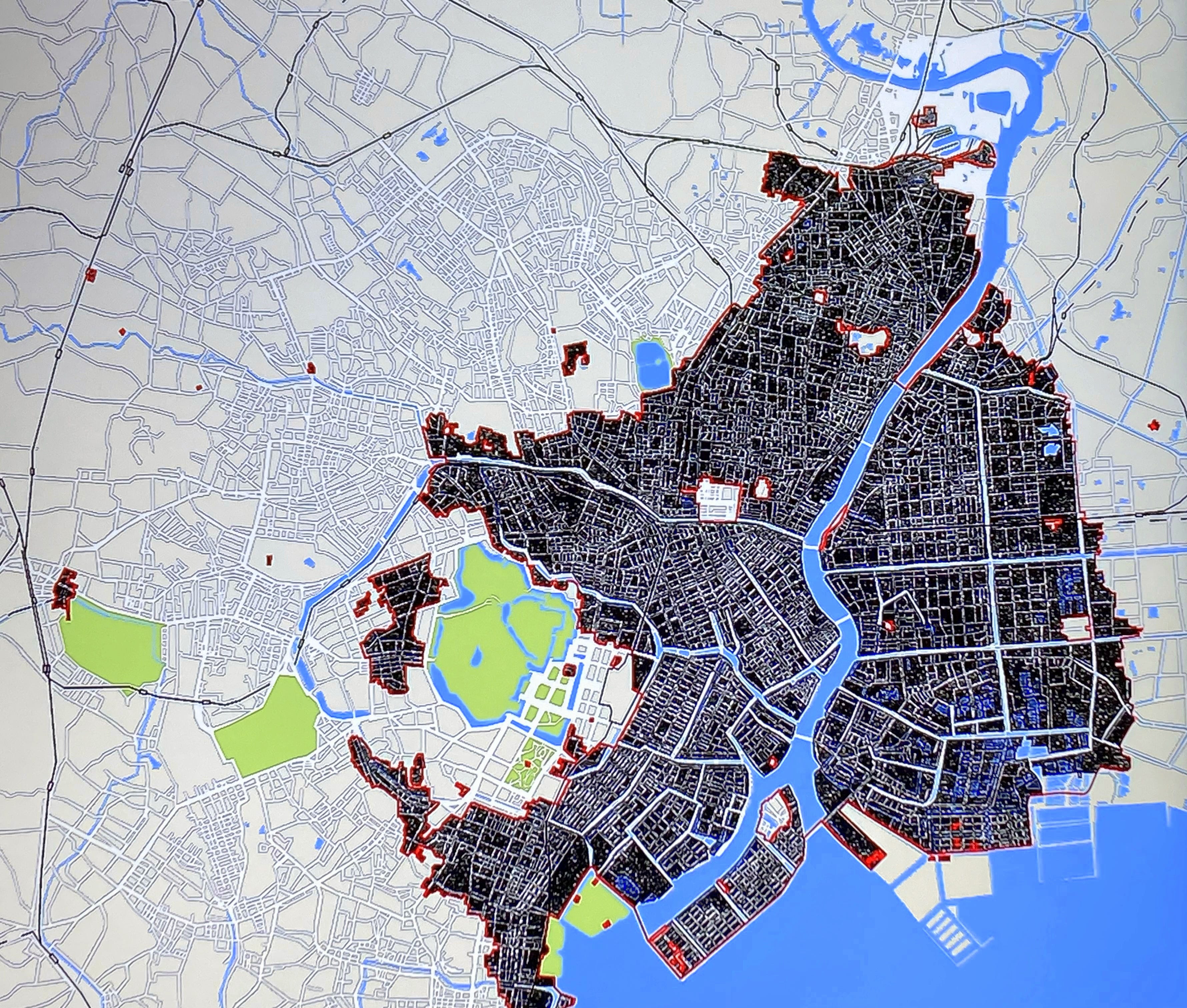
As the chronology advances, visitors encounter automobiles, household appliances, wartime artefacts and materials documenting the air raids of the Second World War, alongside numerous other objects illustrating twentieth-century life.
The museum then brings the story almost up to the present day. Its updated displays now extend through the 2010s and include material relating to the Tokyo 2020 Olympic Games. Among the many fascinating exhibits is a look at how Japanese elementary school lunches have changed across successive generations.
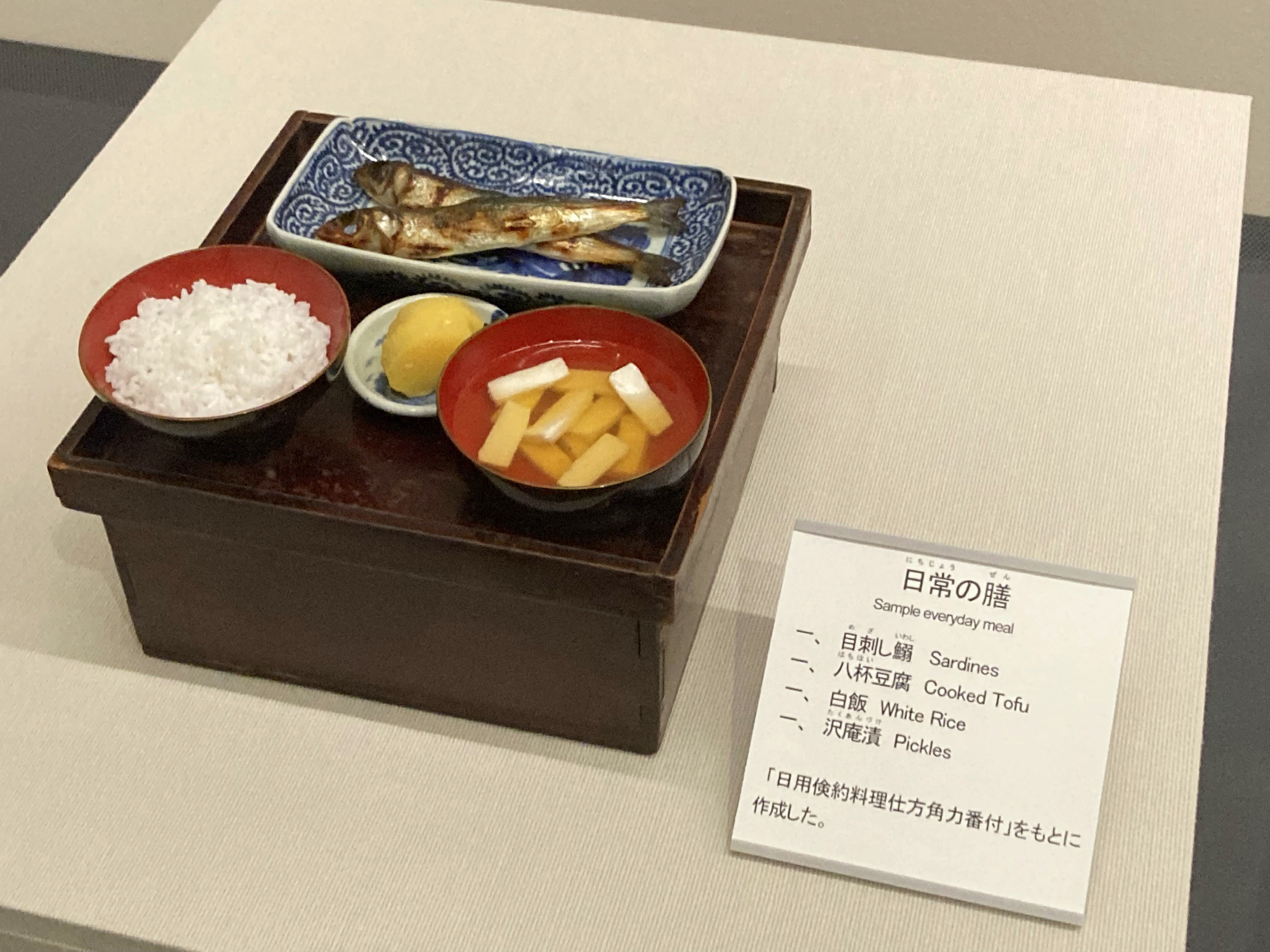
Anyone with an interest in Tokyo’s past could comfortably spend an entire day exploring the museum’s vast holdings. With so much to see, it’s worth taking your time—particularly if you’re visiting with children.
Before leaving, don’t miss the library on the seventh floor. Recently expanded as part of the renovation, it now houses around 290,000 books, magazines, microfilms and video materials devoted to the history of both Edo and modern Tokyo.
Please remember that paid subscriptions are always gratefully accepted.
At the same time, I want it to be as easy as possible to show your support. That’s why I’ve introduced a sliding-scale annual subscription, where you can choose the level that feels right for you:
Looks fascinating and a lot like the similar Osaka Museum of History in the NHK building by Osaka Castle. That's also well worth a visit
Like you I have visited twice before (fantastic place to visit with a kid) and am looking forward to visiting again when I am in Tokyo. Looks like they kept most of the good stuff